2026.04.04 (토) 20:19




 닫기
닫기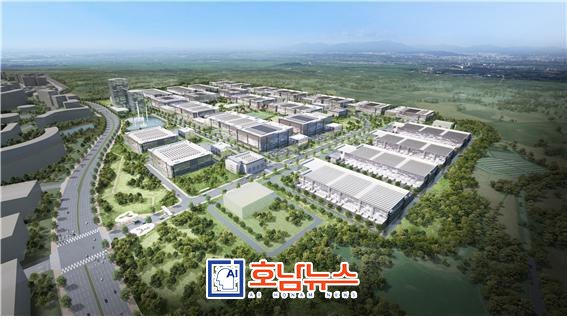 솔라시도 재생에너지 / 사진제공=호남뉴스 |
【전남·광주=AI호남뉴스】 aihnnews@kakao.com
솔라시도는 단순한 개발사업의 이름이 아니다.
이곳은 대한민국 지역개발의 야망과 좌절이 동시에 각인된 상징적 공간이다.
1970년대 간척사업으로 시작된 이 땅은 식량기지라는 국가적 사명을 안고 태어났고, 이후 시대의 변화 속에서 관광·레저·첨단산업이 결합된 초대형 미래도시, 이른바 J프로젝트로 재탄생할 운명이었다.
여의도의 7배에 달하는 2,100만㎡ 규모, 남해안을 중심으로 한 동북아 경제거점이라는 구상은 분명 시대를 앞서간 비전이었다.
그러나 결과는 냉혹했다.
프로젝트는 좌초됐고, 남은 것은 개발되지 못한 땅과 지역의 깊은 상처였다.
이 실패는 단순한 외부 변수의 결과가 아니었다.
오히려 구조적으로 예정된 붕괴에 가까웠다.
가장 근본적인 문제는 산업이 아닌 자본에 의존한 개발 방식이었다.
J프로젝트는 실질적인 산업 기반을 구축하기보다 부동산 개발과 관광 수요에 기대는 구조로 설계됐다.
이는 외부 자본이 빠져나가는 순간 전체가 무너질 수밖에 없는 취약한 구조였다.
글로벌 금융위기가 닥치자 대기업은 주저 없이 손을 뗐고, 프로젝트는 단숨에 붕괴됐다.
산업이 없었기에 버틸 힘도 없었다.
더 큰 문제는 그 다음이었다.
국가가 시작한 프로젝트였지만, 위기 상황에서 국가는 물러섰다.
정책의 연속성은 끊겼고, 중앙정부의 전략적 개입은 실종됐다.
장기 투자 구조는 마련되지 못했고, 결국 프로젝트는 ‘국가사업’에서 ‘민간 리스크’로 전락했다.
그 결과 책임은 고스란히 지역과 일부 기업에 전가됐다.
이 과정에서 가장 치명적이었던 것은 시간의 단절이었다.
개발이 멈추는 순간, 인프라는 중단됐고 투자 신뢰는 무너졌다.
20년이라는 시간은 단순한 지연이 아니라 지역 발전의 흐름 자체를 끊어버린 ‘잃어버린 시간’이었다.
그 사이 대한민국의 산업지도는 바뀌었고, 솔라시도는 지도 위에만 존재하는 공간으로 남았다.
 재생에너지 이미지 / 사진제공=호남뉴스 |
그럼에도 이 프로젝트가 완전히 사라지지 않은 이유는 분명하다.
대기업이 떠난 자리에서 한 중견기업이 끝까지 버텼고, 지역은 이 사업을 포기하지 않았다.
무너지지 않고 버틴 시간, 그 자체가 오늘의 재도전을 가능하게 한 유일한 자산이었다.
결국 J프로젝트의 실패는 과거의 사건이 아니라 현재를 규정하는 조건이다.
자본 중심 개발의 한계, 국가 전략 부재의 위험, 실행 없는 비전의 허상이 무엇을 초래하는지를 이미 경험했다.
이 교훈을 넘지 못한다면 어떤 이름으로 다시 시작하더라도 결과는 같을 수밖에 없다.
이제 질문은 달라져야 한다.
왜 실패했는가가 아니라, 같은 실패를 반복하지 않을 수 있는가.
그 답은 지금 다시 움직이기 시작한 솔라시도의 두 번째 도전에 달려 있다.
■ Part 1
“A Collapsed National Project, A Frozen Timeline”… Why the J-Project’s Failure Was Inevitable
【Jeonnam·Gwangju = AI Honam News】 aihnnews@kakao.com
Solar City (Solaseado) is not merely the name of a development project.
It is a symbolic space where South Korea’s ambitions for regional development and its deepest frustrations are etched together.
Born in the 1970s through a large-scale land reclamation project, this land began with a national mission—to serve as a strategic food production base. Over time, as the era evolved, its role expanded. It was envisioned to be reborn as a massive future city combining tourism, leisure, and advanced industries—the so-called J-Project.
Spanning 21 million square meters—seven times the size of Yeouido—the vision was to transform the southern coast into a key economic hub of Northeast Asia. It was, without doubt, a vision ahead of its time.
But the outcome was harsh.
The project collapsed, leaving behind undeveloped land and deep scars within the region. This failure was not simply the result of external shocks. Rather, it was a collapse structurally embedded from the outset.
The most fundamental problem lay in a development model that depended on capital rather than industry.
The J-Project was designed not around building a solid industrial base, but around real estate development and projected tourism demand. This made it inherently fragile—once external capital withdrew, the entire structure was bound to crumble.
When the global financial crisis struck, major corporations quickly pulled out, and the project collapsed almost instantly. Without a foundation in real industry, there was nothing to sustain it.
Yet the deeper problem emerged afterward.
Although it began as a national initiative, the state retreated in the face of crisis. Policy continuity was broken, strategic intervention by the central government disappeared, and no long-term investment framework was secured.
As a result, what had been a national project was reduced to a private-sector risk.
The burden of failure was ultimately transferred to the region and a handful of remaining stakeholders.
The most devastating consequence of all was the rupture of time itself.
The moment development halted, infrastructure construction stopped, and investor confidence collapsed. The lost 20 years were not merely a delay—they severed the trajectory of regional growth.
During that time, South Korea’s industrial landscape transformed, while Solaseado remained frozen—a place that existed only on maps.
And yet, the project did not completely disappear.
The reason is clear.
When major corporations left, a mid-sized company stayed.
The region did not give up.
The fact that it endured—that it did not collapse entirely—became the only asset that made today’s renewed attempt possible.
Ultimately, the failure of the J-Project is not just a matter of the past.
It is a condition that defines the present.
It revealed the limits of capital-driven development, the risks of absent national strategy, and the illusion of vision without execution. Unless these lessons are fully overcome, any new beginning—no matter the name—will lead to the same outcome.
The question must now change.
Not “Why did it fail?” but “Can we avoid repeating that failure?”
The answer lies in the second chapter now unfolding—
in Solaseado’s renewed attempt to move time forward once again.
 ai호남뉴스 박충배 편집/칼럼/논설 aihnnewsr@kakao.com