| “멈춰선 평화, 다시 움직여야 한다”… 판문점선언 8주년의 경고 기억이 아닌 실행으로… 한반도 평화, 다시 시작해야 할 시간 ai호남뉴스 박충배 편집/칼럼/논설 aihnnewsr@kakao.com |
| 2026년 04월 27일(월) 15:03 |
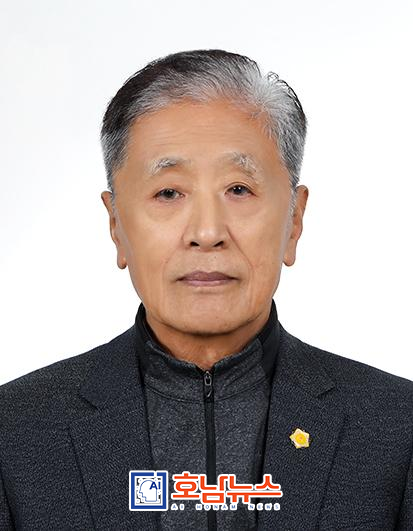 박충배 해남뉴스 편집 / 사진제공=ai호남뉴스 |
【전남·광주=AI호남뉴스】 aihnnews@kakao.com
2018년 4월 27일 판문점에서 남북 정상은 한반도의 전쟁을 끝내고 평화의 시대로 나아가겠다는 역사적 선언을 함께 발표했다.
그날의 약속은 단순한 정치적 이벤트가 아니라, 분단의 시대를 넘어 공존과 협력의 길로 나아가겠다는 민족적 결단이었다.
하지만 8년이 흐른 지금, 당시의 기대와 현실 사이의 간극은 점점 더 커지고 있다.
대화는 멈췄고, 신뢰는 약화됐으며, 한반도는 다시 긴장과 대립의 구조 속으로 되돌아가는 모습이다. 평화를 향해 열렸던 문은 닫힌 채 오랜 시간 방치되고 있다.
그렇다고 판문점선언의 의미까지 사라진 것은 아니다.
오히려 지금의 상황은 그 선언이 왜 필요한지, 그리고 왜 반드시 다시 추진돼야 하는지를 더욱 분명하게 보여주고 있다.
판문점선언은 군사적 긴장 완화와 교류 협력, 평화체제 구축이라는 명확한 방향을 제시한 합의였다.
이는 일회성 선언이 아니라 지속적으로 이행되어야 할 구조적 약속이었다.
문제는 실행이었다.
이후 정치적 환경 변화와 국제 정세 속에서 합의는 제대로 이행되지 못했고, 그 결과 평화는 제도화되지 못한 채 중단된 상태로 남게 됐다. 평화는 선언만으로 유지되지 않는다.
끊임없는 대화와 신뢰 구축, 그리고 구체적 실천이 뒤따를 때 비로소 현실이 된다.
현재 한반도는 다시 긴장의 문턱에 서 있다.
군사적 충돌 가능성이 상존하고, 상호 불신은 더욱 깊어지고 있다.
무엇보다 우려되는 점은 이러한 긴장이 점차 일상화되고 있다는 사실이다.
긴장에 익숙해지는 순간, 평화의 가치는 더 쉽게 무너질 수밖에 없다.
지금 필요한 것은 새로운 구호가 아니다.
이미 합의된 원칙을 다시 꺼내 실행하는 일이다.
군사적 긴장 완화 조치의 복원, 인도적 협력의 재개, 민간 교류 확대, 그리고 무엇보다 대화 채널의 회복이 시급하다.
이 네 가지가 다시 작동할 때, 한반도 평화는 다시 움직일 수 있다.
한반도에서 평화는 선택의 문제가 아니다.
그것은 생존의 조건이며, 미래를 가능하게 하는 가장 기본적인 토대다. 전쟁이 없는 상태를 유지하는 것, 그 자체가 국가와 지역의 지속가능성을 결정짓는 핵심 전략이다.
판문점선언 8주년은 과거를 기념하는 날에 머물러서는 안 된다.
지금 이 순간에도 유효한 약속을 다시 현실로 되돌려야 하는 출발점이 되어야 한다.
기억이 아닌 실행으로, 선언이 아닌 실천으로 이어질 때 비로소 평화는 다시 움직이기 시작할 것이다.
[Editorial]
[Jeonnam–Gwangju = AI Honam News] aihnnews@kakao.com
“A Halted Peace Must Move Again”… A Warning on the 8th Anniversary of the Panmunjom Declaration
Beyond Memory to Action… Time to Restart Peace on the Korean Peninsula
On April 27, 2018, at Panmunjom, the leaders of the two Koreas jointly announced a historic declaration to end war on the Korean Peninsula and move toward an era of peace.
That promise was not merely a political event, but a national commitment to move beyond division toward coexistence and cooperation.
Eight years later, however, the gap between expectation and reality continues to widen.
Dialogue has stopped, trust has weakened, and the Korean Peninsula is once again drifting back into a structure of tension and confrontation. The door once opened toward peace remains closed and neglected.
Yet the significance of the Panmunjom Declaration has not disappeared.
Rather, the current situation makes it even clearer why the declaration is necessary and why it must be revived.
It presented a clear roadmap: easing military tensions, expanding inter-Korean cooperation, and building a lasting peace regime.
It was not a one-time statement, but a structural commitment that required continuous implementation.
The problem lay in execution.
Amid shifting political environments and international dynamics, the agreement was not properly carried out, leaving peace un-institutionalized and effectively suspended.
Peace cannot be sustained by declarations alone.
It becomes reality only through continuous dialogue, trust-building, and concrete actions.
Today, the Korean Peninsula stands once again at the threshold of tension.
The risk of military conflict persists, and mutual distrust continues to deepen.
More concerning is that this tension is gradually becoming normalized.
The moment people grow accustomed to tension, the value of peace becomes easier to erode.
What is needed now is not a new slogan.
It is the execution of principles that have already been agreed upon.
The restoration of military tension-reduction measures, the resumption of humanitarian cooperation, the expansion of civilian exchanges, and above all, the recovery of dialogue channels are urgently required.
When these four elements begin to function again, peace on the Korean Peninsula can start moving forward once more.
Peace on the Korean Peninsula is not a matter of choice.
It is a condition for survival and the most fundamental foundation for the future.
Maintaining a state without war is, in itself, the core strategy that determines the sustainability of the nation and the region.
The 8th anniversary of the Panmunjom Declaration must not remain a mere commemoration of the past.
It should serve as a starting point to bring a still-valid promise back into reality.
Only when we move from memory to action, and from declaration to practice, can peace begin to move again.
 ai호남뉴스 박충배 편집/칼럼/논설 aihnnewsr@kakao.com