| “동구가 바뀌면 광주가 바뀐다”… 민형배, 문화·AI·도심재생 ‘5대 대전환’ 전격 선언 ACC 글로벌 문화도시·AI 실증클러스터·청년창업 허브까지… “동구를 대한민국 문화혁신의 심장으로” ai호남뉴스 박충배 편집/칼럼/논설 aihnnewsr@kakao.com |
| 2026년 04월 10일(금) 11:49 |
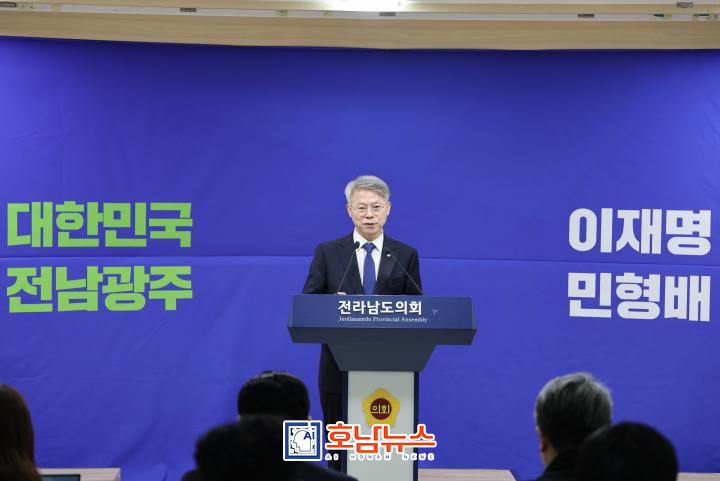 민형배 전남광주통합특별시장 예비후보 / 사진제공=민형배 선대위 |
광주 동구가 단순한 원도심을 넘어, 문화·AI·의료·관광이 결합된 ‘도심 혁신 플랫폼’으로 재탄생하는 대전환 청사진이 제시됐다.
더불어민주당 전남·광주 통합특별시장 경선 후보인 민형배 국회의원(광주 광산구을)은 광주 동구를 ‘문화는 세계로 확장되고, 도시는 다시 살아나는 혁신 거점’으로 만들겠다는 문화·AI·도심재생 5대 전략을 전격 발표했다.
이번 전략은 단순한 지역 공약을 넘어, 원도심 재생과 첨단 산업, 관광, 돌봄까지 아우르는 도시 구조 자체를 재설계하는 종합 전환 모델이라는 점에서 주목된다.
■ “문화가 도시를 살린다”… ACC 중심 글로벌 문화콘텐츠 도시 구축
민 후보는 광주 동구의 핵심 자산인 국립아시아문화전당(ACC)을 중심으로 세계적 문화도시를 조성하겠다고 밝혔다.
이를 위해 ▲ACC 연계 K-컬처 콘텐츠 밸리 조성 ▲ACC–양림동–무등산을 잇는 역사문화 관광벨트 구축 ▲수요자 제안형 문화예술 기금 신설 ▲디지털아트·XR 콘텐츠 창작 스타트업 집적 ▲국제 문화행사 및 글로벌 관광 프로그램 확대 등을 추진한다.
민 후보는 “문화는 단순 소비가 아니라 도시를 먹여 살리는 산업”이라며 “동구를 K-컬처 글로벌 플랫폼으로 키우겠다.”고 강조했다.
■ “구도심을 청년에게”… 문화창업 허브로 원도심 재생
쇠퇴한 원도심을 청년과 예술 중심의 창업 생태계로 전환하는 전략도 핵심 축으로 제시됐다.
▲대인시장–충장로–5·18광장을 연결하는 문화상업 재생벨트 조성 ▲폐상가·노후 건물 리모델링을 통한 청년 창업공간 제공 ▲청년 예술창업 허브 구축 ▲빈 점포 활용 코리빙 및 기숙형 주거 지원 ▲로컬 브랜드 상권 육성과 소상공인 지원센터 설치 등이 포함됐다.
이는 단순한 도시 정비를 넘어 ‘사람이 돌아오는 도시 구조’를 만드는 데 초점을 맞춘 정책으로 평가된다.
■ “도심이 산업이 된다”… AI·바이오 실증 클러스터 구축
동구를 도심형 첨단 산업 거점으로 전환하는 구상도 함께 제시됐다.
민 후보는 조선대학교 및 AI사관학교와 연계한 AI 창업·실증 밸리를 구축하고, AI 헬스케어 실증단지 조성에 나서겠다고 밝혔다.
또한 전남대학교병원, 조선대학교병원, 화순전남대학교병원을 연결한 바이오·메디컬 협력 클러스터를 구축해 의료·AI 융합 산업을 본격 육성한다는 방침이다.
이는 동구를 ‘생활권 속 산업도시’로 전환하는 핵심 전략으로 해석된다.
■ “역사와 자연을 산업으로”… 생태·문화 관광벨트 완성
동구의 역사와 자연 자원을 결합한 관광 전략도 포함됐다.
▲무등산 위생매립장 부지에 문화예술 치유정원(H-파크) 조성 ▲선교저수지 융복합 호수공원 개발 ▲무등산 역사문화권 생태관광 확대 ▲근대역사문화공원 및 관광 프로그램 강화 등을 통해 체류형 관광 도시로 전환한다는 구상이다.
이는 관광을 ‘단순 방문’에서 ‘도시 경제를 움직이는 산업’으로 끌어올리는 전략으로 평가된다.
■ “돌봄이 도시 경쟁력”… 고령친화 건강도시 구축
마지막으로 민 후보는 동구를 고령친화형 생활도시로 전환하겠다는 계획을 제시했다.
▲골목 단위 방문건강·돌봄 서비스 확대 ▲고령친화 주거 모델 시범지역 조성 ▲독거노인 AI 안부확인 시스템 도입 ▲주거취약계층 마을돌봄센터 확충 ▲폭염 등 기후 대응 생활안전 인프라 구축 등이 포함됐다.
민 후보는 “도시는 결국 사람이 사는 공간”이라며 “아이부터 어르신까지 모두가 안전하게 살아갈 수 있는 도시가 경쟁력”이라고 강조했다.
■ “동구는 시작일 뿐”… 통합특별시 핵심 거점으로 확대
민형배 후보는 “동구의 변화는 광주의 변화이며, 나아가 전남·광주 통합특별시의 미래 모델이 될 것”이라며 “문화·산업·복지·관광이 결합된 도시 혁신을 통해 대한민국 도시정책의 새로운 기준을 만들겠다”고 밝혔다.
이번 5대 전략은 단순한 개발 계획을 넘어, ‘도심을 다시 살아 움직이게 하는 구조적 전환’이라는 점에서 향후 정책 경쟁의 핵심 축으로 부상할 전망이다.
【Jeonnam·Gwangju = AI Honam News】 aihnnews@kakao.com
“If Dong-gu Changes, Gwangju Changes”… Min Hyung-bae Unveils ‘Five Major Transformations’ in Culture, AI, and Urban Regeneration
ACC Global Cultural City, AI Testbed Cluster, Youth Startup Hub… “Turning Dong-gu into the Heart of Korea’s Cultural Innovation”
A grand blueprint has been unveiled to transform Dong-gu, Gwangju, from a declining old downtown into an integrated urban innovation platform combining culture, AI, healthcare, and tourism.
Min Hyung-bae, a National Assembly member (Gwangju Gwangsan-eul) and candidate in the Democratic Party primary for the Gwangju–Jeonnam Special Metropolitan City, announced a comprehensive “Five Strategic Transformations” aimed at turning Dong-gu into a hub where culture expands globally and the city itself is revitalized.
This strategy goes beyond a typical regional pledge, presenting a comprehensive model that redesigns the very structure of the city by integrating urban regeneration, advanced industries, tourism, and welfare services.
■ “Culture Revives Cities”… Building a Global Cultural Content City Centered on ACC
Min emphasized the development of a world-class cultural city centered on the Asia Culture Center (ACC), Dong-gu’s key asset.
The plan includes:
Establishing a K-culture content valley linked to ACC
Creating a historical and cultural tourism belt connecting ACC, Yangnim-dong, and Mudeungsan
Launching a demand-driven cultural arts fund
Clustering startups in digital art and XR content creation
Expanding international cultural events and global tourism programs
“Culture is not merely for consumption—it is an industry that sustains cities,” Min stated. “We will elevate Dong-gu into a global K-culture platform.”
■ “Return the Old Downtown to Youth”… Urban Regeneration Through Cultural Startup Hubs
A key pillar of the strategy is transforming the declining downtown into a youth- and arts-driven startup ecosystem.
Key initiatives include:
Creating a cultural-commercial regeneration belt linking Daein Market, Chungjang-ro, and May 18 Square
Remodeling vacant shops and aging buildings into startup spaces for young entrepreneurs
Establishing youth arts startup hubs
Providing co-living and dormitory-style housing using vacant properties
Supporting local brands and establishing a small business support center
This approach focuses not just on physical redevelopment, but on creating a “city where people return and settle.”
■ “The City Becomes Industry”… Establishing an AI-Bio Urban Testbed Cluster
The plan also envisions Dong-gu as a hub for urban-based advanced industries.
Min proposed:
Building an AI startup and testbed valley in collaboration with Chosun University and AI Academy
Developing an AI healthcare demonstration complex
Establishing a bio-medical cooperation cluster linking Chonnam National University Hospital, Chosun University Hospital, and Hwasun Chonnam National University Hospital
Expanding support for AI-healthcare convergence startups
This initiative aims to transform Dong-gu into a “livable industrial city” where industry integrates seamlessly into daily life.
■ “Turning History and Nature into Industry”… Creating an Eco-Cultural Tourism Belt
The strategy also integrates Dong-gu’s historical and natural assets into a tourism-driven economy.
Key plans include:
Developing a cultural healing garden (H-Park) on the former Mudeungsan landfill site
Creating a multi-functional lakeside park at Seongyo Reservoir
Expanding eco-tourism in the Mudeungsan historical-cultural zone
Enhancing modern historical parks and tourism programs
This approach shifts tourism from simple visits to a key driver of the urban economy.
■ “Care Defines Competitiveness”… Building an Age-Friendly Healthy City
Finally, Min outlined a vision to transform Dong-gu into a senior-friendly, care-oriented city.
Key initiatives include:
Expanding neighborhood-based visiting healthcare and care services
Establishing pilot zones for age-friendly housing models
Introducing AI-based safety check systems for elderly people living alone
Expanding community care centers for vulnerable residents
Strengthening climate-responsive safety infrastructure, including heatwave measures
“A city is ultimately about people,” Min said. “A truly competitive city is one where everyone—from children to the elderly—can live safely.”
■ “Dong-gu is Just the Beginning”… Expanding into a Core Hub of the Special Metropolitan City
Min concluded, “The transformation of Dong-gu will lead to the transformation of Gwangju, and further serve as a model for the Gwangju–Jeonnam Special Metropolitan City.”
He added, “By integrating culture, industry, welfare, and tourism, we will set a new standard for urban policy in Korea.”
This five-part strategy is expected to become a central pillar in policy competition, as it represents not just development, but a structural transformation to bring urban spaces back to life.
 ai호남뉴스 박충배 편집/칼럼/논설 aihnnewsr@kakao.com