| 증거가 있어도 무죄라면, 법은 무엇을 심판하는가. 김건희 판결과 함께 붕괴된 판례의 원칙, 그래서 특검과 사법개혁은 불가피하다 ai호남뉴스 박충배 편집/칼럼/논설 aihnnewsr@kakao.com |
| 2026년 02월 03일(화) 13:41 |
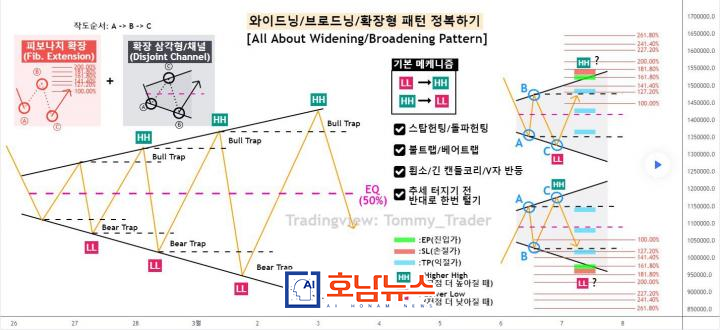 자본시장법 비판 PDF / 사진제공=호남뉴스 |
【사설】
2026년 1월 28일 서울중앙지방법원의 김건희 판결은 한 개인의 유·무죄를 넘어, 대한민국 사법이 어떤 기준으로 사실을 인정하고, 어떤 원칙으로 권력을 심판하는지를 되묻는 사건이 되었다.
이 판결은 법리의 문제가 아니라 법의 태도에 대한 문제다.
그리고 그 태도는 기존 대법원 판례가 오랫동안 확립해 온 원칙과 정면으로 충돌한다.
실질보다 형식을 택한 순간, 판례는 폐기되었다
대법원은 반복해서 말해왔다.
형사책임의 성립은 형식이 아니라 실질이라고.
명시적 계약서나 노골적 청탁이 없어도, 역할 분담·이익 귀속·인지 가능성이 결합되면 공모와 대가성은 인정된다는 것이 일관된 판례의 흐름이다.
그럼에도 이번 판결은 “명시적 청탁이 없다”, “계약서가 없다”는 이유로 자본시장법과 정치자금법의 문턱을 높였다.
이는 판례의 진화가 아니라 후퇴다.
뇌물과 정치자금 범죄에서 언제부터 계약서가 필수 증거가 되었는가. 대법원이 말해온 ‘묵시적 합의’와 ‘정황증거의 종합 판단’은 어디로 사라졌는가.
대법원은 공모의 인정에 관해, 명시적 합의가 없어도 범행 전후의 사정, 역할 분담, 이익의 귀속과 같은 간접사실의 종합으로 충분하다고 판시해 왔다.¹
돈을 넣고, 구조를 알고, 이익을 공유해도 무죄인가
도이치모터스 사안에서 드러난 사실관계는 단순하지 않다.
계좌 제공을 넘어 실제 자금 투입, 이익의 귀속, 배분 구조, 동시·집중 매매라는 객관적 패턴이 결합되어 있다.
이는 우연의 연쇄가 아니라 구조의 존재를 가리킨다.
대법원은 자본시장 범죄에서 시세관여의 의사와 인식은 직접증거가 아니라 거래 양태와 결과로도 충분히 추단할 수 있다고 보아 왔다.
그럼에도 1심은 ‘직접증거의 부재’를 이유로 공모를 부정했다.
이는 대법원 판례가 허용해 온 합리적 추론의 영역을 스스로 봉쇄한 판단이다.
자본시장법 위반에서 고의와 공모는 거래의 반복성·집중성·이익 귀속 등 객관적 정황으로 인정될 수 있다.²
녹취와 정황이 있는데도 “요구가 없었다.”는 이유로 무죄인가
정치자금·여론조사 제공과 공천의 교차 지점에서도 판결의 논리는 흔들린다. 대법원은 뇌물·정치자금 범죄에서 ‘요구’의 존재를 필수 요건으로 보지 않는다.
대가관계가 인식 가능한 상태에서의 제공·수수면 족하다는 것이 판례의 일관된 취지다.
대법원은 대가성 판단에서 명시적 요구·약정의 존재를 필요로 하지 않으며, 직무 관련성과 대가관계의 인식 가능성을 중시해 왔다.³
그럼에도 이번 판결은 “요구가 없었다.”는 이유로 무죄를 선고했다.
이는 권력관계의 현실을 외면한 비현실적 기준이다.
권력 앞에서 누가 먼저 요구하는가.
권력자는 침묵으로도 거래한다는 사실을 사법은 언제부터 모르게 되었는가.
분절된 유죄는 법리가 아니라 기술이다
금품수수 일부만 유죄, 나머지는 모두 무죄라는 결론은 범죄의 연속성과 목적성을 해체한다.
대법원은 범죄를 전체 맥락에서 판단하라고 요구해 왔다. 행위의 시기·대상·결과가 하나의 목적을 향할 때 이를 조각내는 것은 실질 판단의 포기다.
대법원은 범죄 성립과 양형에서 행위의 전체적 경과와 목적, 결과를 종합적으로 고려해야 한다고 판시해 왔다.⁴
반성 없는 태도와 양형의 괴리
증언 거부와 책임 회피 속에서 반성의 징표는 찾기 어렵다.
그럼에도 양형은 가볍다.
대법원 양형기준이 말하는 가중 사유에서 권력 연계성, 사회적 파장, 범행의 구조성은 충분히 검토되지 않았다.
이는 사법의 관용이 아니라 사법의 불균형이다.
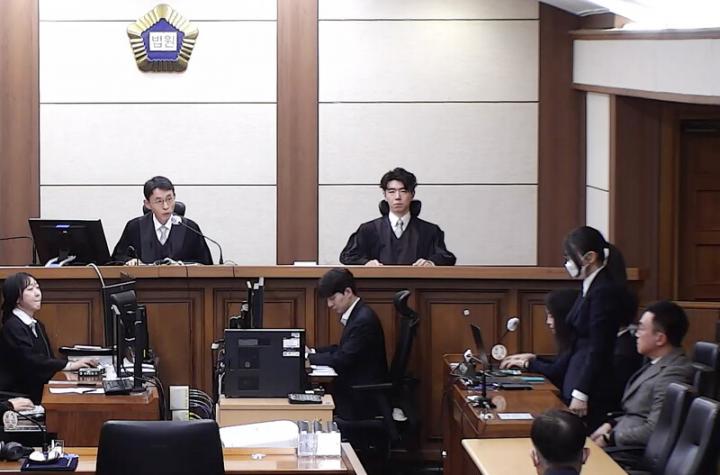 2026 김건희 1심재판 선고 / 사진제공=YTN |
그래서 특검이다, 그래서 사법개혁이다.
이 판결의 문제는 결과가 아니라 기준이다.
기준이 흔들리면 신뢰는 무너진다.
사법이 스스로를 설명하지 못할 때, 민주주의는 외부의 복원 장치를 요구한다.
특검은 정치적 선택이 아니라 헌법적 안전장치다.
사법개혁 또한 구호가 아니다.
정황증거 종합 원칙의 복원
권력형 범죄에 대한 증명 기준의 정상화
양형의 일관성과 투명성 강화
이것이 회피된다면, 법은 더 이상 약자의 언어가 아니다.
결론으로 법은 증거를 요구하지만, 국민은 설명을 요구한다.
증거가 충분해 보이는데도 무죄라면, 국민은 묻는다.
더 이상의 무엇이 필요한가.
사법은 답해야 한다.
답하지 못한다면, 특검과 사법개혁이 답할 것이다.
이것이 민주주의의 자기복원력이다.
 코스피, 코스닥 주식시장 |
[Jeonnam = Honam News] aihnnews@kakao.com
Editorial
If There Is Evidence Yet No Guilt, What Is the Law Judging?
The Collapse of Judicial Precedent in the Kim Keon-hee Ruling — Why a Special Prosecutor and Judicial Reform Are Inevitable
The January 28, 2026 ruling by the Seoul Central District Court in the Kim Keon-hee case goes far beyond the question of one individual’s guilt or innocence. It has become a moment that forces the nation to ask by what standards the Korean judiciary recognizes facts, and by what principles it judges power.
This ruling is not merely a matter of legal interpretation.
It is a matter of judicial posture.
And that posture stands in direct conflict with principles long established by Supreme Court precedent.
When Substance Is Abandoned for Form, Precedent Is Effectively Discarded
The Supreme Court has repeatedly held that criminal liability is determined by substance, not form.
Even without an explicit contract or overt solicitation, conspiracy and quid pro quo may be established when role allocation, benefit attribution, and awareness of the scheme are present. This has been a consistent line of precedent.
Yet in this ruling, the court raised the threshold for violations of the Capital Markets Act and the Political Funds Act by citing the absence of an “explicit solicitation” or a “written contract.”
This is not doctrinal development — it is regression.
Since when have bribery and political funding crimes required contracts?
What became of the Supreme Court’s long-standing principles of implicit agreement and comprehensive evaluation of circumstantial evidence?
The Supreme Court has repeatedly ruled that conspiracy may be established through indirect facts such as events before and after the crime, division of roles, and attribution of profits — even in the absence of an explicit agreement.¹
Is There No Crime Even When Money Is Invested, Structure Understood, and Profits Shared?
The facts revealed in the Deutsche Motors case are far from simple.
Beyond merely lending accounts, the case involves actual capital investment, profit attribution, a profit-sharing structure, and objective patterns of synchronized and concentrated trading.
This is not a chain of coincidences — it points to the existence of a structure.
The Supreme Court has consistently held that in capital market crimes, intent and awareness of price manipulation may be inferred not only from direct evidence but also from trading behavior and outcomes.
Yet the trial court rejected conspiracy on the grounds of a lack of “direct evidence.”
In doing so, it voluntarily closed off the very domain of reasonable inference that Supreme Court precedent has long permitted.
Violations of the Capital Markets Act may establish intent and conspiracy through objective circumstances such as repetitive trading, concentration, and profit attribution.²
Acquittal Despite Recordings and Circumstances — Because “There Was No Request”?
The logic of the ruling also falters at the intersection of political funding, opinion polling, and candidate nomination.
The Supreme Court has never regarded an explicit “request” as an essential element of bribery or political funding crimes.
What is required is the recognizability of a quid pro quo relationship in the act of provision and receipt.
The Court has consistently emphasized that explicit demands or agreements are unnecessary where job relevance and the awareness of reciprocal benefit are present.³
Nevertheless, the court acquitted on the grounds that “there was no request.”
This standard ignores the reality of power relations.
Who, in front of power, initiates a request?
Since when has the judiciary forgotten that those with power transact even through silence?
Fragmented Guilt Is Not Jurisprudence — It Is Technique
A conclusion that finds partial guilt for receiving valuables while acquitting all related charges dismantles the continuity and purpose of the crime itself.
The Supreme Court has required that crimes be assessed within their full context.
When timing, targets, and outcomes point toward a unified purpose, dissecting them into isolated acts is a surrender of substantive judgment.
The Court has repeatedly ruled that criminal liability and sentencing must consider the entire course, purpose, and outcome of conduct.⁴
The Gap Between Lack of Remorse and Lenient Sentencing
There is little evidence of remorse amid refusals to testify and evasion of responsibility.
Yet sentencing remains light.
Aggravating factors identified in Supreme Court sentencing guidelines — connections to power, social impact, and structural criminality — were not adequately weighed.
This is not judicial mercy.
It is judicial imbalance.
That Is Why We Need a Special Prosecutor — That Is Why Judicial Reform Is Unavoidable
The core problem of this ruling lies not in its outcome, but in its standards.
When standards collapse, trust follows.
When the judiciary can no longer explain itself, democracy demands external mechanisms of restoration.
A special prosecutor is not a political choice.
It is a constitutional safeguard.
Judicial reform, likewise, is not a slogan.
Restoration of the principle of comprehensive circumstantial evidence
Normalization of evidentiary standards for crimes involving power
Consistency and transparency in sentencing
If these are avoided, the law will no longer speak for the weak.
Conclusion: The Law Demands Evidence — The People Demand Explanation
If evidence appears sufficient yet yields acquittal, the public must ask:
What more is required?
The judiciary must answer.
If it cannot, then a special prosecutor and judicial reform will answer instead.
This is democracy’s power of self-correction.
 ai호남뉴스 박충배 편집/칼럼/논설 aihnnewsr@kakao.com